
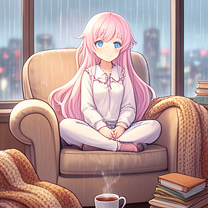
Navigating Stress und Entspannung in Deutschland: My Experiences
Okay, so here I am, six months in Berlin. It’s amazing, really – the history, the art, the food… but let’s be honest, it’s also intense. I’m still getting used to the pace of things, the directness of people, and, honestly, the overwhelming feeling of being a newbie. And let’s not even talk about the bureaucracy! It’s been a serious stress test. But I’m learning, and one of the things that’s really helped me is figuring out how to talk about it – and, crucially, how to talk about relaxing!
The Initial Confusion: “Stress” Doesn’t Always Mean What I Thought
The first few weeks, I kept using my usual phrases for stress. Back home, if I was overwhelmed, I’d say things like, “I’m really stressed about this deadline!” I tried saying it to my colleague, Thomas, at the office (I work in marketing, ironically, promoting German brands to the UK). He looked at me strangely. He said, “Du bist besorgt?” (You are concerned?). It wasn’t exactly the same feeling. Turns out, “stressed” in German has a much broader meaning. It’s more like “worried” or “concerned”. It felt… lighter. I realized I needed a whole new vocabulary.
Useful German Phrases for Feeling Overwhelmed
Here are some phrases that have been absolutely crucial for me:
- Ich bin etwas überfordert. (I’m a little overwhelmed.) – This is probably my most used phrase. It’s gentle and doesn’t sound dramatic.
- Ich fühle mich gestresst. (I feel stressed.) – This is a direct translation, but it’s still used, though maybe less frequently than “überfordert.”
- Das ist sehr viel zu machen. (That’s a lot to do.) – Perfect for when I’m staring at a mountain of work.
- Kann ich dir dabei helfen? (Can I help you with that?) – Even if you don’t need help, asking this shows you’re acknowledging the situation and seeking support.
- Ich brauche eine Pause. (I need a break.) – Simple, direct, and universally understood.
Talking About Relaxation: More Than Just “Entspannung”
“Entspannung” (relaxation) is the obvious word, but it doesn’t always capture the nuance. I quickly learned that Germans value genuine relaxation, not just a buzzword.
I had a conversation with my flatmate, Sarah, after a particularly long day. I was complaining, “Ich bin so fertig! Ich brauche Entspannung!” (I’m so exhausted! I need relaxation!). She gently corrected me. “Es ist nicht nur das Wort ‘Entspannung’, sondern was du tust.” (It’s not just the word ‘relaxation,’ but what you do.)
My Go-To Relaxation Strategies (and How to Talk About Them)
Here’s what I’ve been actually doing to relax, and how I’ve started to describe it in German:
- Going for a Spaziergang (Taking a walk): “Ich gehe heute Nachmittag einen Spaziergang im Park.” (I’m going for a walk in the park this afternoon.) – It’s deeply ingrained in the German culture.
- Trinken von Tee (Drinking tea): “Ich mache mir eine Tasse Kamillentee.” (I’m making myself a cup of chamomile tea.) – This is a really common relaxation ritual.
- Lesen eines Buches (Reading a book): “Ich lese ein Buch, um mich zu entspannen.” (I’m reading a book to relax.) – It’s considered a sophisticated way to unwind.
- Meditation: I’ve started a basic meditation app, and I tell people, “Ich meditiere, um mich zu beruhigen” (I meditate to calm myself).
A Realistic Conversation Example
- Me: “Thomas, ich bin total überfordert mit dieser Präsentation! Ich habe keine Zeit zum Essen, und ich kann mich nicht konzentrieren!” (Thomas, I’m totally overwhelmed with this presentation! I don’t have time to eat, and I can’t concentrate!)
- Thomas: “Oh, das tut mir leid, dass es dir so geht. Hast du eine Pause gemacht? Vielleicht ein Stück Brot und Wurst?” (Oh, I’m sorry to hear that. Have you taken a break? Maybe a piece of bread and sausage?) – Note: “Brot und Wurst” is a typical, uncomplicated German lunch.
- Me: “Ja, ich habe gerade eine kleine Pause gemacht. Vielleicht mache ich mir einen Tee. Danke.” (Yes, I just took a small break. Maybe I’ll make myself a cup of tea. Thanks.)
Key Takeaways & Next Steps
Learning to talk about stress and relaxation in German has been so much more than just memorizing words. It’s about understanding the cultural emphasis on genuine downtime and finding the right phrases to express yourself honestly. I still stumble, I still misunderstand things, and I definitely still feel stressed sometimes! But now I have the tools to communicate, to ask for help, and to embrace the importance of Entspannung – properly. My next goal is to actually use those phrases confidently. Ich bin gespannt! (I’m curious!).

Leave a Reply