
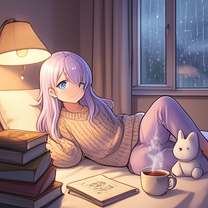
Schlaf und Erholung: Meine Deutsch-Lernreise – Und Warum Es Komisch Ist
Okay, so here I am, six months in Berlin, and I’m still struggling with a lot of things. But one of the biggest hurdles, honestly, has been talking about sleep. It sounds silly, I know, but in my home country, we’re pretty casual about it. A simple “I’m tired” is enough. Here? It’s…complicated. And learning the words, the nuances, it’s been surprisingly challenging.
Der Erste Besuch beim Arzt
Last week, I had a really bad night’s sleep – awful dreams, woke up feeling completely drained. I went to see the Hausarzt (general practitioner) to complain. I started, feeling brave, and said, “Ich habe keine guten Schlafe.” (I haven’t had good sleep). The doctor, Dr. Schmidt, just stared at me. He said, “Warum? Was ist passiert?” (Why? What happened?)
I explained about the dreams, about feeling exhausted. He then proceeded to ask me a huge number of questions! “Wie lange schlafen Sie normalerweise?” (How long do you normally sleep?), “Wie fühlen Sie sich tagsüber?” (How do you feel during the day?), and the kicker, “Haben Sie Stress?” (Are you stressed?). I realized then that ‘Schlaf’ isn’t just ‘sleep’. It’s a whole area of concern.
I responded, “Ich bin sehr gestresst, natürlich! Ich arbeite in einem Büro und meine Arbeit ist sehr anstrengend.” (I’m very stressed, of course! I work in an office and my work is very demanding). He nodded, scribbled something on my prescription, and said, “Ruhe!” (Rest!). Simple, right? Apparently, it’s a surprisingly complex concept in German.
Wichtige Vokabeln – Schlafbezogene Ausdrücke
Let’s break down some of the key words and phrases I’ve been using (and still struggling with):
- Schlaf: Sleep – Obvious, but it’s more than just the act.
- Schlaflos: Insomnia – I asked a colleague, Lena, “Ich bin schlaflos!” (I’m sleepless!) after a particularly rough night. She immediately offered me a Kaffee (coffee) which, while helpful, doesn’t actually address the problem.
- Guter Schlaf: Good sleep – “Ich brauche guten Schlaf,” I told my roommate, Max. (I need good sleep).
- Schlafstörungen: Sleep disorders – I’ve been researching this online – it’s a very specific term.
- Entspannung: Relaxation – This is crucial! Dr. Schmidt really emphasized Entspannung techniques.
- Ausruhen: To rest – “Ich muss unbedingt ausruhen,” I told my boss when I requested a shorter workday. (I absolutely must rest).
Umgang mit Freunden – Schlafliche Probleme Besprechen
Talking about sleep with friends is even trickier. I tried to casually mention to my friend, Daniel, that I’d had a bad night. I said, “Der Schlaf war heute Nacht nicht gut.” (My sleep wasn’t good tonight). He responded with, “Ach, das ist ja blöd!” (Oh, that’s bad!) and immediately started offering me Brot und Wurst (bread and sausage) – a very German solution to feeling unwell! I realized I need to be more specific.
I’ve learned to say things like, “Ich habe Schwierigkeiten beim Einschlafen” (I’m having trouble falling asleep) or “Ich wache oft nachts auf” (I often wake up at night).
Kleine Missverständnisse – Die Deutsche Art
There’s definitely a difference in attitudes. In the UK, if you say you’re tired, people generally offer you a cup of tea and a sympathetic pat on the back. Here, it’s often taken more seriously. I once mentioned I was struggling to sleep and someone immediately asked me if I was taking medication! It’s a reminder that they view sleep as a very important thing.
Meine Tipps – Wie Ich Mich Verbessere
1. Schreib alles auf: (Write everything down): I’m keeping a sleep diary. It helps me identify patterns and things that might be affecting my sleep.
2. Lernen Sie die Wortschatz: (Learn the vocabulary): Seriously, it’s key.
3. Seien Sie ehrlich: (Be honest): Don’t be afraid to admit you’re struggling.
4. Fragen Sie: (Ask): Don’t be afraid to ask for help or advice, especially from medical professionals.
Learning about sleep in German has been a surprisingly insightful experience. It’s taught me so much more than just vocabulary; it’s shown me how different cultures approach well-being and health. And honestly, I’m finally starting to get a handle on how to actually talk about feeling exhausted! Next up, I need to learn more about Aromatherapie (aromatherapy) – apparently, lavender is a really big thing for relaxation. Wish me luck!

Leave a Reply