
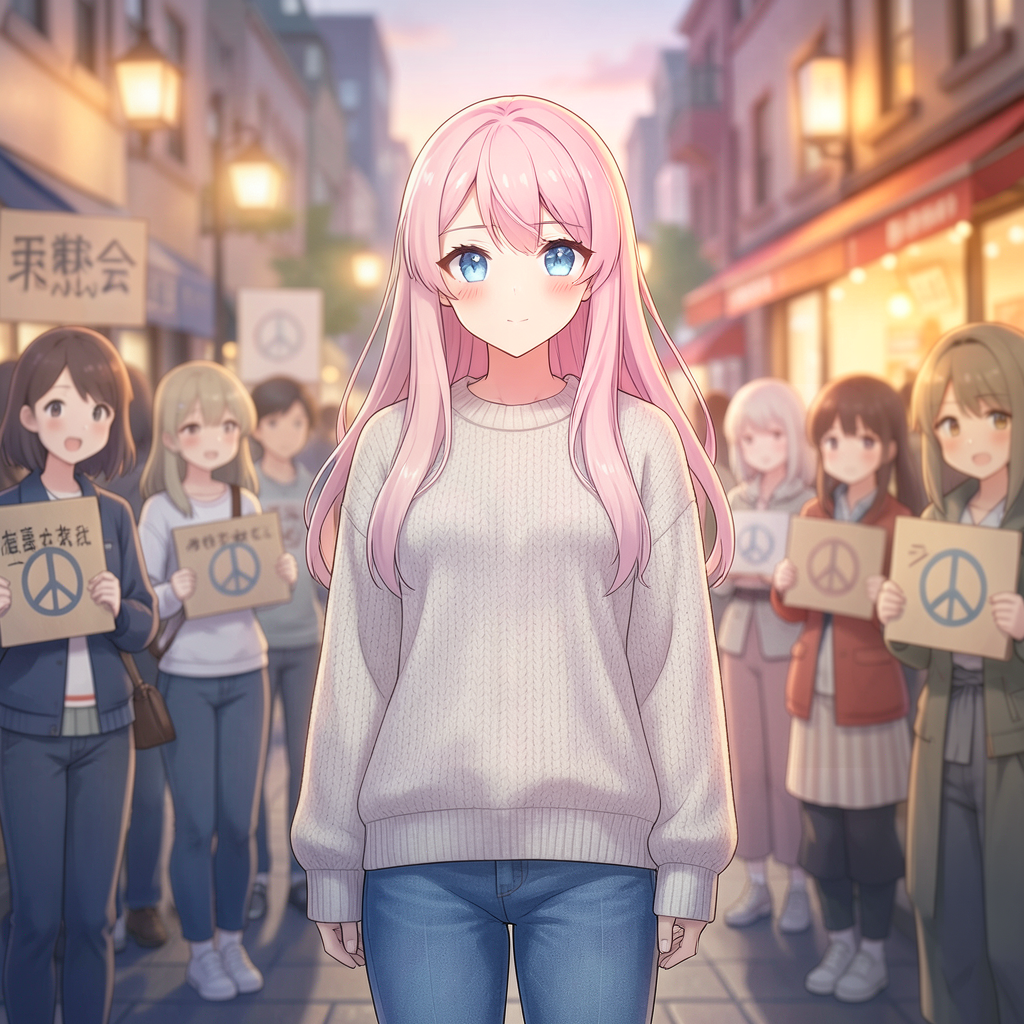
Navigating Protests in Germany: My First Experiences with Meinungsfreiheit
Okay, so moving to Berlin felt like stepping into a movie – a really interesting, sometimes chaotic movie. I’d always been fascinated by politics, and I wanted to live somewhere where people actually talked about things. What I hadn’t fully prepared for was the sheer frequency of demonstrations. They’re a huge part of the city’s life, and honestly, the first few times I encountered one, I felt completely overwhelmed. This isn’t a dry history lesson; it’s about how I’m learning to navigate this aspect of German life, and, more importantly, how to understand what people are saying.
The First Time: A Student Protest Near the Universität
It happened last month. I was walking back from the Humboldt Universität, where I’m taking my German language course (which, by the way, is so challenging!), and I stumbled right into a demonstration for student funding. Students were chanting “Mehr Geld für die Uni!” (“More money for the university!”) and waving signs. The atmosphere was… intense. People were shouting, some were waving flags, and there was a police presence, but they seemed mostly to be observing.
I froze. My German isn’t perfect, and suddenly all the vocab I’d been practicing – Demonstration, Meinungsfreiheit (freedom of expression), Protest – felt totally inadequate. I wanted to help, but I didn’t know what to do. A friendly older man, noticing my confusion, approached me.
“Entschuldigen Sie, junge Frau,” he said, “Alles in Ordnung?” (“Excuse me, young lady, everything alright?”)
I mumbled, “Ich… ich verstehe nicht ganz. Was passiert hier?” (“I… I don’t quite understand. What’s happening here?”)
He patiently explained, “Es ist eine Demonstration gegen die Kürzungen der Universität. Die Studenten wollen mehr Geld für Forschung und Lehre.” (“It’s a demonstration against cuts to the university. The students want more money for research and teaching.”)
I managed a hesitant, “Verstehe. Danke.” (“Understand. Thank you.”) – I really felt like a tourist in my own city! I realized I needed to start actively listening, even if I didn’t fully grasp every word.
Common Phrases You’ll Hear (and How to Respond)
Here are a few other phrases I’ve picked up, and how I’ve learned to respond, which might be useful if you find yourself in a similar situation:
- “Was wollt ihr?” (“What do you want?”) – This is a common question asked by police or onlookers. My initial instinct was to just say “Ich bin ein Unterstützer der Demonstration!” (“I support the demonstration!”), but I’ve learned it’s usually better to just politely say “Ich möchte nur zusehen” (“I just want to watch”) if you don’t want to get involved.
- “Bleiben Sie auf dem sicheren Bereich!” (“Stay in the safe area!”) – The police frequently issue this warning. It’s important to listen to them – they’re there to keep everyone safe.
- “Wir müssen die Presse informieren!” (“We need to inform the press!”) – I overheard this when reporters approached the demonstration. I wasn’t sure what to do, so I just stepped back slightly.
Respect and Etiquette: A Few Important Things to Remember
I’ve learned a few key things about observing a demonstration in Germany:
- Don’t interfere. Seriously. Even if you disagree with what’s happening, it’s generally frowned upon to join in or try to disrupt the protest. It’s seen as disrespectful to the organizers.
- Keep a safe distance. The police often establish a “sichere Zone” (safe zone). Stay within this area.
- Be respectful of the participants. Even if you don’t understand their message, they have a right to express their opinions.
- Listen actively. Try to pick up key phrases and understand the general topic.
A Small Mistake (and How I Learned From It)
A few days later, I was walking past another demonstration – this time about climate change. I got a little carried away trying to be helpful. I wanted to take a picture for my Instagram, so I started filming. A policeman quickly approached me, and in a very firm voice, said: “Hören Sie auf zu filmen!” (“Stop filming!”) He explained that filming without permission could be seen as interfering with the demonstration and could cause problems. That was a really important lesson – just because you want to document something doesn’t mean you should.
Meinungsfreiheit and the German Context
Understanding Meinungsfreiheit (freedom of expression) is crucial here. It’s a really protected right, but it also comes with responsibilities. Demonstrations are a legitimate part of the democratic process, but they need to be conducted peacefully and respectfully. Learning about the historical context – the protests of the 68 generation, for instance – really makes the current situation feel more meaningful.
I’m still learning, of course. There will be more misunderstandings, I’m sure. But I feel a lot more confident now, knowing some of the key phrases and, more importantly, understanding the importance of observing with respect and a willingness to learn. Viel Glück! (Good luck!) – to anyone navigating the world of German demonstrations!

Leave a Reply