
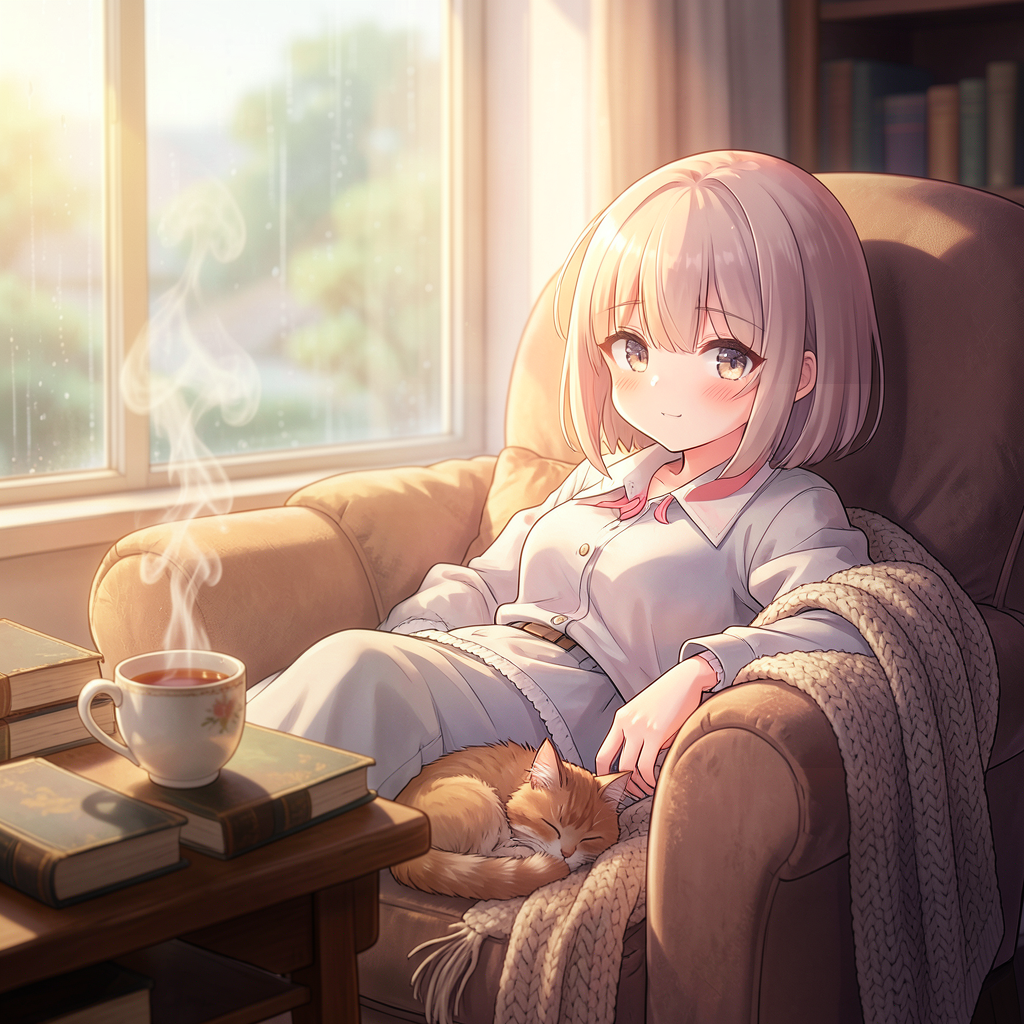
Battling the Flu in Germany: A Personal Guide
Okay, so here I am, a few months into living in Berlin, and let me tell you, it’s amazing. The culture, the food, the history… it’s incredible. But let’s be honest, it’s also thrown a few curveballs my way. And the biggest one so far? The flu. Seriously, I thought I was invincible!
The First Signs: It Starts with a Shiver
It began, like many flu stories, with a chill. I was at work – I’m a freelance translator, which is great, but it also means I’m often battling deadlines and a little lonely – and I just… felt cold. Really cold. I was wearing a sweater, and I kept shivering. My colleague, Markus, noticed and asked, “Wie geht’s dir?” (How are you?) and I mumbled something about being a little tired. He suggested a Kaffee (coffee) and that seemed to help a bit.
Fever and Muscle Aches: The Real Deal
Then the fever hit. It wasn’t a raging inferno, thankfully, but it was definitely there. I measured it – Ich habe einen Thermometer (I have a thermometer) – and it was 38.5°C (101.3°F). I immediately started feeling all the aches and pains. My head was pounding, my muscles were screaming, and I just wanted to curl up in a ball.
I tried to tell my boss, Steven, about it, saying, “Ich fühle mich nicht gut. Ich habe Fieber und Muskelkrampf.” (I don’t feel good. I have a fever and muscle aches). He responded with, “Das ist zu schade!” (That’s too bad!) and suggested I take a short break. It was a little frustrating because I needed to finish this report, but he was right, rest was what I needed.
Asking for Help – The German Way
The biggest challenge, honestly, was just asking for help. I’m not the best at admitting weakness, especially when I’m already feeling awful. But I quickly learned that the German approach to illness is… different. People genuinely care.
I went to the Apotheke (pharmacy) – essential, by the way – to get some medicine. The pharmacist, Frau Schmidt, asked, “Haben Sie Fieber?” (Do you have a fever?) and I explained, “Ja, ich habe Fieber und Schmerzen.” (Yes, I have a fever and pain). She recommended Paracetamol (paracetamol – the same as acetaminophen) and advised me to drink plenty of Wasser (water) and Kamillentee (chamomile tea). She even offered me a little packet of Bonbons (candies) to suck on, saying, “Das hilft gegen den trockenen Mund.” (This helps with the dry mouth). It was such a small gesture, but it meant a lot.
Common Phrases and Vocabulary
Here are some phrases I found super useful:
- Ich fühle mich krank. (I feel sick.)
- Ich habe eine Erkältung. (I have a cold – though it turned out to be the flu!)
- Kann ich mir etwas einnehmen? (Can I take something for it?)
- Ich brauche Ruhe. (I need rest.)
- Mir ist schwindelig. (I feel dizzy.)
Misunderstandings and Learning Moments
I definitely made a few mistakes! Early on, when I was really struggling, I said, “Ich bin nur ein bisschen krank.” (I’m just a little sick). Steven thought I was downplaying it, and he pressed me to come in and work. I quickly realized that saying “Ich bin es wirklich schlimm.” (I’m really seriously ill) was far more effective in getting him to understand I needed to rest.
Also, I learned quickly that coughing loudly in public isn’t really a thing. People are generally very polite and discreet.
Recovery and Reflection
It took a few days to fully recover, but the kindness and concern from my colleagues and the pharmacy staff really helped. It was a valuable lesson – and a slightly terrifying experience – but it’s also shown me how genuinely supportive people are here. I’m still learning German, still making mistakes, and still getting used to living in a new country, but moments like this remind me why I moved here in the first place. Danke (Thank you) to everyone who helped me get better! Now, if you’ll excuse me, I’m going to have some Kamillentee and a well-deserved Schlaf (sleep).

Leave a Reply