
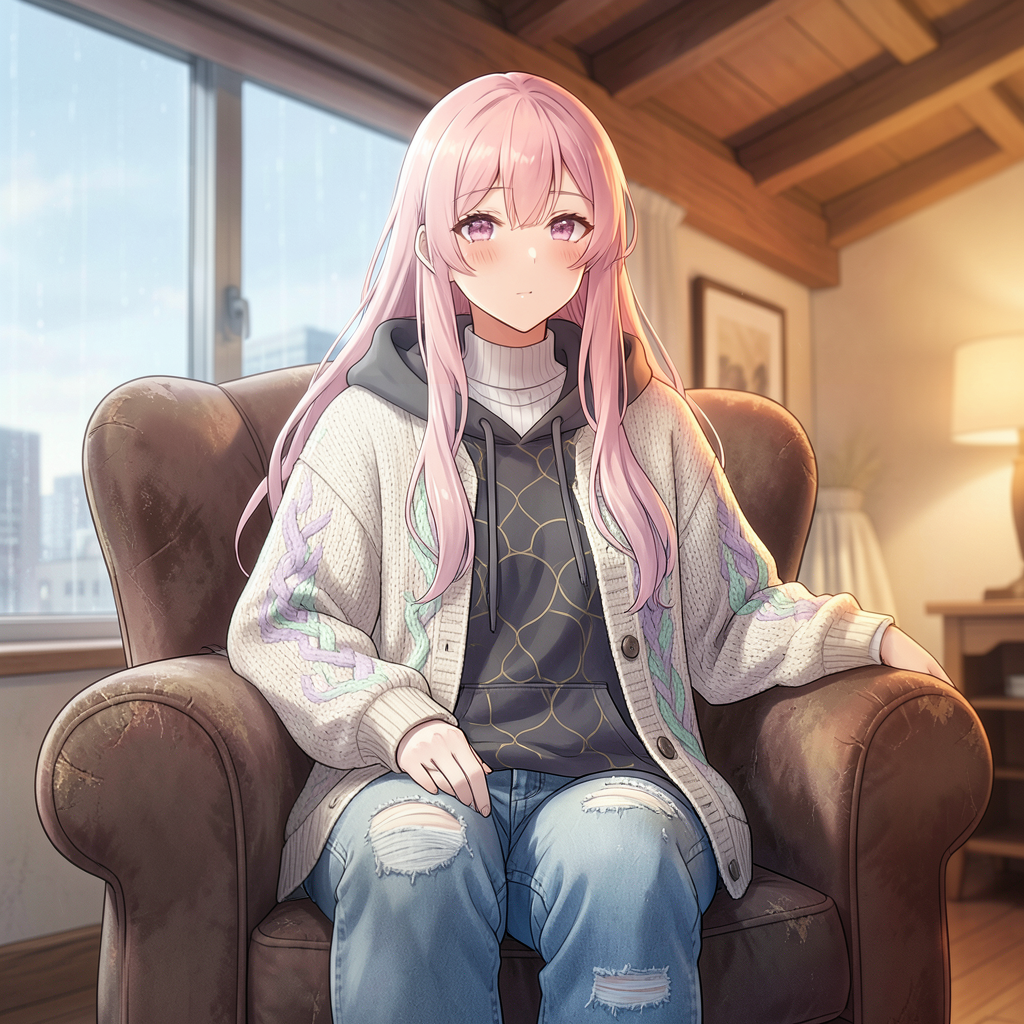
Learning German: Mastering the Language of Style – Describing Clothes
Okay, so here I am, six months in Berlin, and let’s be honest, while I can order a coffee (and usually manage a ‘Danke’ without sounding like a complete idiot), talking about clothes is…complicated. The sheer variety of terms, the nuances – it’s been a real challenge. I thought I’d share what I’ve learned, specifically focusing on how to talk about clothes in German, because let’s face it, it’s a surprisingly important skill!
The First Hurdle: Colors – It’s Not Just Rot & Blau!
The first thing that hit me was how German separates colors. It’s not just ‘red’ and ‘blue’ like in English. It’s so much more detailed. I learned this the hard way when I excitedly told my colleague, Steven, that I was wearing a “rotes Hemd” (red shirt). He stared at me, completely bewildered. Apparently, “rot” covers a very specific shade.
He explained, “Ach, du weißt schon, Rot! Aber ich meine eher ein dunkles Rot, wie von einem Schal von der Firma Henkel.” (Oh, you know, red! But I mean more like a darker red, like from a scarf from Henkel.) Ugh. I realized I needed to learn the specific shades.
Here’s a little list I’ve compiled:
- Rot: Red (obviously)
- Blau: Blue
- Grün: Green
- Gelb: Yellow
- Schwarz: Black
- Weiß: White
- Grau: Grey
- Pink: Rosa (more formal than pink)
- Lila: Purple
- Orange: Orange
And then, you get into variations! “Ein helles Blau” (a light blue) is totally different from “Ein dunkelblau” (a dark blue). It’s frustrating, but I’m slowly getting there.
Patterns & Designs – Beyond “Gefleckt” (Spotted)
Asking about patterns was even trickier. “Gefleckt” (spotted) seemed simple enough, but suddenly I was bombarded with descriptions like “gestreift” (striped), “gemustert” (patterned), “kariert” (checkered) – and they all look completely different.
I was shopping with my flatmate, Maria, and I pointed at a shirt with a small white pattern on a blue background and asked, “Ist das gemustert?” (Is that patterned?) She laughed and said, “Nein, nein! Das ist Pünktchen!” (No, no! That’s dot!). “Pünktchen” is a small, repeated pattern, and it’s essential knowledge.
Here are some other common patterns I’ve heard:
- Gestreift: Striped
- Pünktchen: Spotted (small dots)
- Karos: Checked (like a chessboard)
- Blumenmuster: Floral pattern
- Wildleder: Leopard print (a very common term!)
Types of Clothing – More Than Just “Kleidung” (Clothing)
“Kleidung” is, of course, the basic word for clothing, but it doesn’t tell you much. I quickly learned that Germans are very specific about the type of garment. I nearly caused a scene in a department store when I just said, “Ich brauche ein Hemd.” (I need a shirt.) The saleswoman, a very polite but firm woman named Frau Schmidt, raised an eyebrow and asked, “Ein welches Hemd? Ist es ein Hemd für Herren oder Damen?” (A what kind of shirt? Is it a shirt for men or women?)
Let’s break down some common clothing types:
- Hemd: Shirt (male or female)
- Bluse: Blouse
- Rock: Skirt
- Hose: Pants
- Jacke: Jacket
- Mantel: Coat
- Pullover: Sweater
- Daunenjacke: Down jacket
- Leggings: Leggings (pronounced Le-gen-gs)
Practical Conversations – Putting It All Together
Okay, so I’ve been practicing. Here’s a little exchange I had with Steven yesterday:
Me: “Steven, ich habe ein dunkelblaues Hemd mit weißen Pünktchen. Und du?” (Steven, I have a dark blue shirt with white dots. And you?)
Steven: “Ich trage eine schwarze Jacke und eine karierte Hose.” (I’m wearing a black jacket and a checkered pants.)
Me: “Oh, kariert! Das sieht gut aus! Hast du vielleicht eine rote Pullover?” (Oh, checkered! That looks good! Do you maybe have a red sweater?)
Steven: “Ja, ich habe einen roten Pullover mit Blumenmuster.” (Yes, I have a red sweater with a floral pattern.)
It wasn’t perfect, but it was a start! I still stumble over words and use the wrong shade sometimes, but I’m getting better.
A Note of Caution – Regional Differences
I’ve also realised that German can vary regionally. What’s common in Berlin might not be used in Munich. I overheard a group of people in Hamburg talking about “ein Flausch” (fleece) – which I’ve learned is a very specific type of warm, soft jacket. It’s not something I’ve heard used in Berlin at all!
So, be open to new words and phrases, and don’t be afraid to ask for clarification. And most importantly, don’t be too self-critical! Making mistakes is part of the learning process. Ich glaube, ich komme langsam dazu! (I think I’m getting there slowly!)

Leave a Reply