
Navigating the Kaffeehaus: Small Talk in German Class Breaks
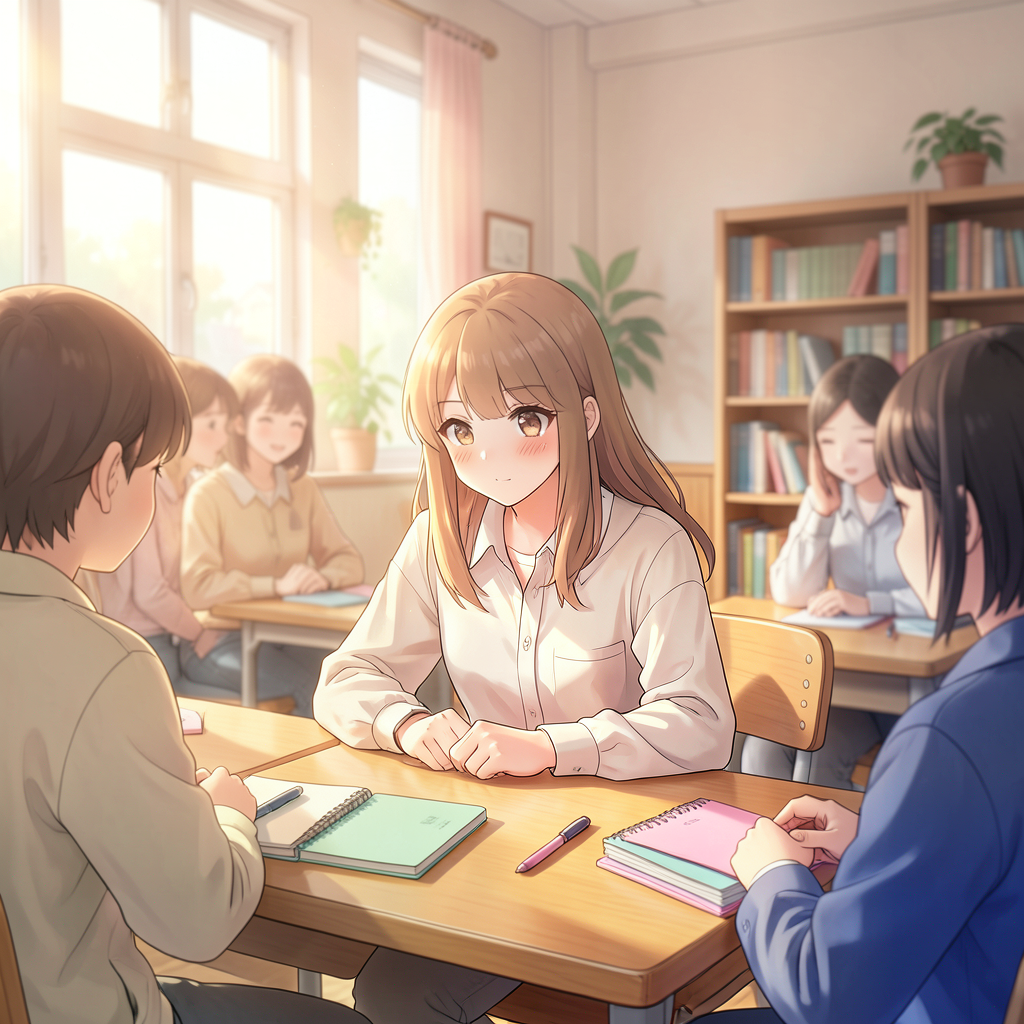
Okay, so this is embarrassing to admit, but I’m completely and utterly terrified of small talk. Especially in a new language. I’ve been taking a German class for three months now, and honestly, the actual speaking part is way harder than I thought. It’s not just about conjugating verbs; it’s about, you know, actually talking to people. And the class breaks? They’re a minefield. Everyone’s milling around, grabbing coffee, and…talking.
The First Few Times – Pure Panic
The first couple of breaks were a disaster. I’d just stand there, clutching my coffee, desperately trying to formulate a sentence that wouldn’t sound completely ridiculous. I kept repeating “Wie geht es Ihnen?” (How are you?) to everyone, and they’d just politely smile and say “Gut, danke” (Good, thank you) and then move on. I felt like an idiot. I really wanted to join in, I truly did, but the pressure of having to say something was overwhelming. It was like my brain just froze. I’d even try to follow along with what others were saying – like, “Schönes Wetter, nicht wahr?” (Nice weather, isn’t it?) – but then I’d just end up nodding awkwardly and saying “Ja” (Yes) without any actual comprehension.
Decoding the Kaffeehaus Conversations
I realized I needed a strategy. My professor gave us some basic phrases to learn, and I started focusing on what people actually said during these breaks. It quickly became clear that it wasn’t all about formal greetings. A lot of the conversations were really casual.
For example, I overheard two classmates, Lena and Markus, talking about their weekend.
Lena: “Hast du am Wochenende etwas Schönes gemacht?” (Have you done anything nice this weekend?)
Markus: “Ein bisschen. War im Biergarten mit Freunden. Haben Burger gegessen.” (A little. Was at the beer garden with friends. We ate burgers.)
Lena: “Oh, das klingt gut!” (Oh, that sounds good!)
It wasn’t a deep conversation, but it felt…natural. And I started to notice other patterns. People talked about the weather – “Ist es nicht kalt heute?” (Isn’t it cold today?) – or about their interests – “Ich lese gerne Bücher” (I like to read books).
Useful Phrases to Get You Started
Here are some phrases that have been actually helpful for me:
- “Na?” (Short for “Na, wie geht’s?”) – This is the go-to phrase. It’s super informal and basically means “So?” or “What’s up?” I’ve started using it a lot.
- “Was machst du?” (What are you doing?) – Good for asking someone what they’re up to.
- “Schönes Wetter, oder?” (Nice weather, right?) – A classic opener, particularly if it’s actually nice.
- “Wie war dein Tag?” (How was your day?) – A slightly more formal option if you want to be polite.
- “Ich lerne Deutsch” (I am learning German) – Useful if you want to explain why you’re there.
My First Small Victory (And a Minor Disaster!)
Last week, I was sitting with another student, David, and he was complaining about his terrible commute. I instinctively blurted out, “Das ist ja schrecklich!” (That’s terrible!) He stared at me, completely bewildered. He then gently explained, “Ich meine, die Verkehrsstaus sind wirklich schlimm” (I mean, the traffic jams are really bad). I realized I’d jumped to a conclusion and hadn’t properly listened to his full sentence. It was a huge, embarrassing moment, but David was incredibly patient and helpful. He said, “Don’t worry, everyone makes mistakes. It’s the learning process!”
Tips and Tricks – Don’t Be Afraid to Make Mistakes
Honestly, the biggest thing is not to be afraid to mess up. People are generally very forgiving, especially in a learning environment. Don’t worry about perfect grammar. Focus on getting your point across. If you make a mistake, just apologize and try again. And remember, a little effort to say “Entschuldigung” (Excuse me) when you interrupt is always appreciated.
I’m still far from a confident small talker, but I’m starting to feel a little more comfortable. It’s all about listening, learning, and practicing – and maybe just accepting that a lot of it will involve awkward smiles and hesitant “Ja’s”. Frohen Unterricht! (Happy lessons!)

Leave a Reply