
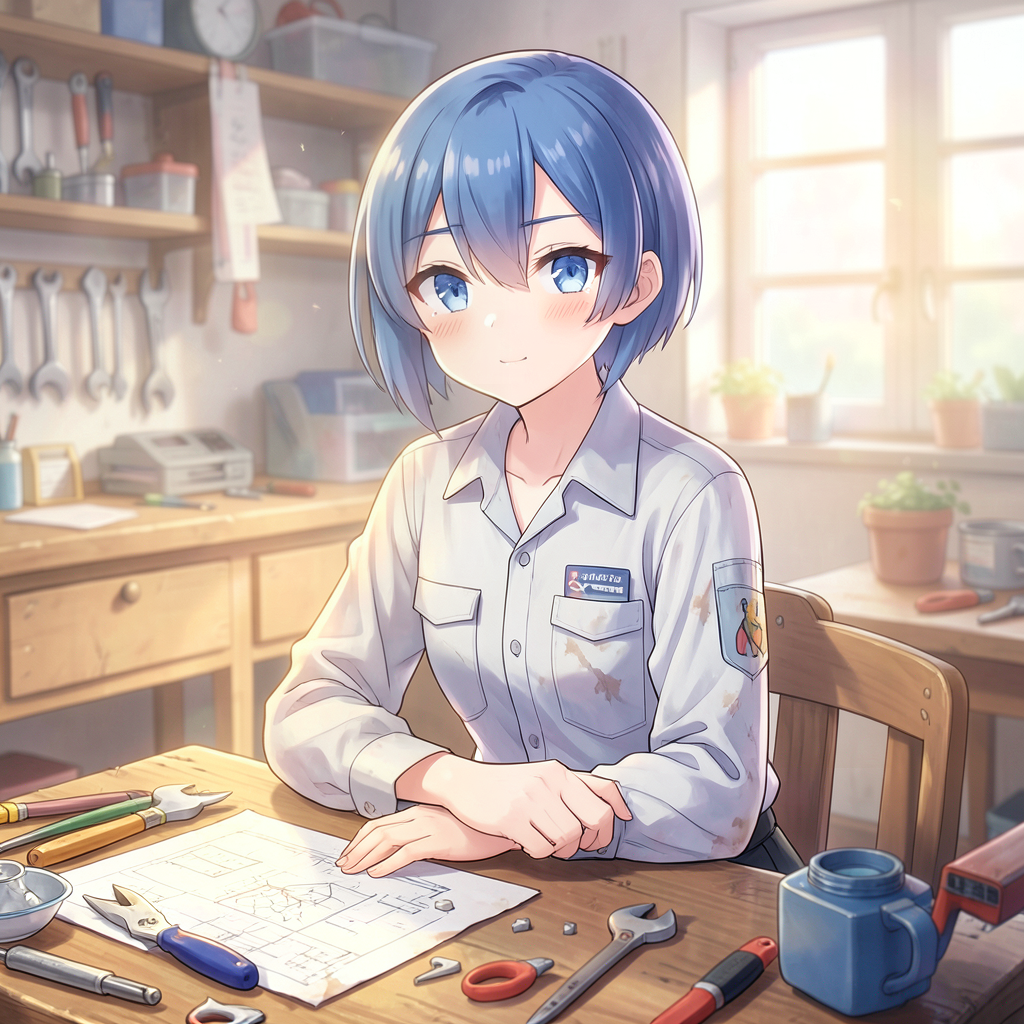
Navigating the Duale Ausbildung: My German Journey
Okay, deep breaths. Moving to Germany was… a lot. Not just the jet lag, but everything. The bureaucracy, the language, the sheer difference of how things work. I’d always dreamed of learning a new language and doing something hands-on, and the Duale Ausbildung – the combined apprenticeship – felt like the perfect fit. But let me tell you, it’s been a rollercoaster. This is my experience so far, and hopefully, it’ll give you a realistic idea of what to expect if you’re considering this route.
What is a Duale Ausbildung Anyway?
Seriously, before I signed up for my Ausbildung in automotive technology at Bosch, I didn’t really understand. It’s not just an apprenticeship like you might hear about in America. It’s this incredible combination of practical work experience and formal vocational training at a Berufsschule (vocational school). You spend about three days a week learning theory – things like engine mechanics, electrical systems, and quality control – and the other four days working at Bosch. They pay you a salary while you learn. It’s… brilliant.
I chose automotive because I’ve always been interested in cars, but the commitment felt strong, and the thought of earning money while studying was incredibly appealing. My first few weeks were a blur of German, tools, and trying desperately to understand everything my supervisor, Herr Schmidt, was telling me.
First Days at Bosch: “Was ist das?”
The first day was overwhelming. Everyone was so polite, but I kept saying “Was ist das?” (What is that?) to literally everything. I felt incredibly clumsy, dropping tools, and mispronouncing basic phrases. Herr Schmidt, bless his heart, patiently corrected me.
“Nein, nein, das ist ein Schraubenschlüssel,” he said, pointing to a wrench. “Ein Schraubenschlüssel. It’s important to learn the vocabulary, Max.” (Max is my nickname here, apparently!). “Und mach’s vorsichtig!” (And be careful!).
I quickly learned that asking “Was ist das?” constantly wasn’t going to get me very far. It made me look… confused. I started carrying a small notebook and writing down key words – “Motor,” “Ventil,” “Bremsen” (motor, valve, brakes).
The Berufsschule: A Different World
The Berufsschule is a completely different beast. It’s formal, structured, and the teachers have very high expectations. It took me a while to adapt. Initially, I struggled with the German lectures – it’s so much more theoretical than the practical work at Bosch. I would nod along, trying to look like I understood, while secretly wishing I was back in the workshop.
One day, my classmate, Lena, asked me, “Warum verstehst du nicht?” (Why don’t you understand?). I panicked and just mumbled something about the language being difficult. She smiled and said, “Es ist nicht einfach, aber du musst üben! (It’s not easy, but you have to practice!).”
Common Phrases You’ll Actually Use
Here are a few phrases I’ve found incredibly useful:
- “Wie bitte?” (Please repeat) – Seriously, use this. A LOT.
- “Ich verstehe nicht.” (I don’t understand) – Don’t be afraid to say it.
- “Kann ich bitte helfen?” (Can I help?). Even if it’s just to grab a tool.
- “Vielen Dank!” (Thank you very much!) – People here are genuinely appreciative of effort.
- “Entschuldigung!” (Excuse me!) – For bumping into someone or interrupting.
A Small Mistake, a Big Lesson
A few weeks ago, I was working on an engine, and I accidentally tightened a bolt too much. It stripped the thread! I felt awful. Herr Schmidt was calm, but firm. “Max, das ist ein Fehler,” he said. (That’s a mistake). “Du musst vorsichtig sein. (You must be careful). It wasn’t a huge deal, but it was a really important lesson – precision matters.
My Progress (and My Frustrations)
I’m definitely improving. My German is getting better, though I still have a long way to go. I can now hold basic conversations about work, and I’m starting to understand more of the technical terminology. There are still days when I feel overwhelmed, like when I’m trying to diagnose a complex electrical problem, or when I get lost in the paperwork. But honestly, those moments are part of the learning process.
Final Thoughts – It’s Worth It
The Duale Ausbildung isn’t easy. It demands dedication, patience, and a willingness to make mistakes. But it’s also incredibly rewarding. I’m learning a valuable trade, earning a decent salary, and immersing myself in German culture. It’s a challenging and amazing adventure. And who knows, maybe one day I’ll be a fully qualified automotive technician, proudly saying “Ich bin ein Kfz-Meister!” (I’m a vehicle master!).
Would I recommend it? Absolutely. Just be prepared to work hard, embrace the challenges, and never stop asking “Was ist das?” (Just kidding… mostly!).

Leave a Reply