
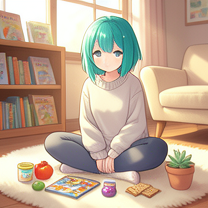
My First Steps Talking About Healthy Families in Germany
Okay, so this is… a lot. Moving to Berlin was incredible, absolutely amazing, but let’s be honest, navigating everyday life is a whole other thing. I’m here working as a freelance translator, which is fantastic, but it’s also incredibly independent. I missed having automatic conversations about simple things like healthy eating, and I quickly realised that just knowing “Ich bin müde” (I’m tired) wasn’t cutting it when I was trying to talk to my colleagues about their families’ habits. It’s a very different culture here – a lot more focused on directness, and definitely more concern for detail, even in casual conversations.
The Initial Confusion: “Sport?”
The first time I really stumbled was at the Wochenmarkt (weekly market) with my new flatmate, Lena. We were buying fresh fruit and vegetables, and she started talking about her Sohn (son), Max. She said, “Max geht viel Sport! Er spielt Fußball und schwimmt.” (Max does a lot of sport! He plays football and swims.) I nodded, smiled politely, and said, “Oh, das ist toll!” (Oh, that’s great!). Then she asked me, “Und was machen Sie?” (And what about you?) and I blurted out, “Ich… ich lese.” (I… I read.)
Lena stared at me. It wasn’t a judgmental stare, but a very confused one. Later, she explained that “Sport” isn’t just about structured exercise. It can mean any physical activity – a walk in the park, playing with the kids, even helping with gardening. I felt utterly mortified. I’d completely missed the nuance!
Learning the Right Phrases
I started researching common phrases related to health. It’s more than just “gesund” (healthy). Here are a few that have been really helpful:
- “Wie sieht’s mit der Ernährung aus?” (How’s the diet looking?) – This is a really good way to start a conversation about food habits.
- “Kocht ihr oft zu Hause?” (Do you often cook at home?) – This is a natural question to ask and opens the door to discussing meals.
- “Trinken die Kinder genug Wasser?” (Are the children drinking enough water?) – A really important question! Germans take their water seriously.
- “Müssen wir noch etwas für die Gesundheit kaufen?” (Do we still need to buy something for health?) – Useful when grocery shopping, especially when talking about vitamins or supplements.
A Real Conversation at Work
My colleague, Klaus, is a father of three. We were in the kitchen talking about our weekends, and he mentioned his daughter, Sophie. I wanted to show I was interested, so I tried something like this:
“Klaus, ich habe gesehen, dass deine Tochter Sophie gerne läuft. Ist das ein Teil ihrer ‘Sport’?” (Klaus, I saw that your daughter Sophie likes to run. Is that part of her ‘sport’?)
He chuckled and said, “Ja, sie läuft oft im Park. Aber es ist auch nur ein bisschen Bewegung. Wir versuchen, nicht zu viel Zucker zu essen, besonders für die Kinder.” (Yes, she runs often in the park. But it’s just a little movement. We try not to eat too much sugar, especially for the children.)
I realised I’d been framing “Sport” as intense exercise, and he was talking about a much more relaxed approach. It made me think about how my own ideas about healthy habits were influenced by my home country.
Common Misunderstandings – and How to Fix Them
I also discovered that Germans can be quite direct, which can feel a bit blunt sometimes. For example, if I said, “Ich versuche, gesünder zu essen” (I’m trying to eat healthier), someone might respond with, “Ach, das ist doch alles nur Unsinn!” (Oh, that’s all nonsense!). It wasn’t meant to be rude; it’s just their way of saying they don’t believe it’s worth focusing on. The key is to understand that a little gentle push can be helpful! I learned to respond with, “Ich möchte es versuchen” (I want to try) which softens the statement.
My Own Family – The Next Challenge
Now I’m starting to talk to my own family back home. It’s harder to explain the cultural differences, but I’m trying to use the phrases I’ve learned. My mum was concerned when I told her I was trying to eat more vegetables. She asked, “Aber was isst du denn?” (But what are you actually eating?) – a very honest question! It reminded me that communicating about health isn’t just about saying the right words, it’s about showing genuine interest and understanding.
Learning German is challenging, of course, but having these conversations about healthy habits is making it feel much more real. And honestly, it’s helping me understand a little bit more about what it means to be a family here in Germany. “Weiter so!” (Keep it up!) to myself.

Leave a Reply